A fuel management specification for a municipal, county or state fleet has to satisfy several audiences at once: the fleet manager who needs the fuel island to work every day, the finance office that needs departmental chargeback, the auditor who needs a transaction-level record, and the procurement officer who needs a compliant purchasing path. This article outlines the elements that Ward recommends addressing in a specification.
Fuel Island Control
The Fuel Control Terminal (FCT) is the device that authorizes the pump. Ward's IoT FCT interfaces with gasoline, diesel, CNG and propane dispensers as well as EV charging stations and controls up to 10 hoses in any combination. It is built with industrial-grade components rated for -40°C to 60°C, includes internal backup power so transactions are stored during an outage, and receives automatic software updates without disrupting fueling. Specifications should also address configuration, since the FCT is available in island, wall-mount, dispenser-mount and truck-mounted mobile versions.
Vehicle Identification
Accountability depends on identifying the vehicle before fuel is dispensed. Ward offers several methods that can be mixed across a fleet. A Fuel Tag mounted at the filler neck communicates with a Hose Module on the dispenser nozzle, so fuel can only flow into the identified vehicle and shuts off when the nozzle is removed. A CANceiver provides proximity-based access and captures odometer and vehicle data automatically, removing manual entry. Fleets that already run Geotab or Samsara telematics can use the Ward Go Fuel Interface to authorize fueling and validate odometer readings from the telematics device.
Software, Hosting and Data
- Browser-based access to SimplyFuel software with dashboards, customizable reports and alerts for vehicle usage and tank levels
- Hosting, a Ward-hosted SaaS deployment in the Ward Data Center
- Data ownership, with customers retaining 100 percent ownership of data stored in the Ward Data Center
- Audit trails maintained by transaction, date and operator, recording what was viewed, changed, created or deleted
- Backups and recovery, including real-time database mirroring, hourly backups and quarterly-tested hardware failover
- Integrations with fleet maintenance, accounting, HR and fuel card systems, including the SimplyFuel Visa, WEX and US Bank Voyager programs
Related Systems on the Same Platform
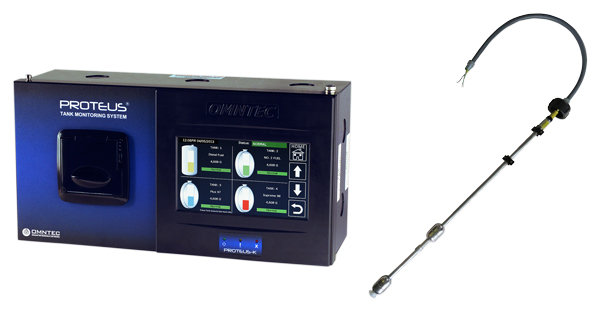
A specification written today should anticipate assets beyond liquid fuel. SimplyFuel manages EV chargers, OMNTEC PROTEUS tank gauging, and gate and vehicle wash access through the same credentials and database, so a fleet does not accumulate separate portals as its yard evolves.
Training, Support and Procurement Path
Ward provides certified FCT training on hardware, wiring and interfacing, and a Certificate of Completion authorizes technicians to service IoT FCT hardware in order to maintain warranties. Customer care operates Monday through Friday, 8 a.m. to 5 p.m. Central. For purchasing, Ward holds Sourcewell awarded contract 092920-EJW, which covers fuel management systems, EV chargers and GPS and telematics solutions and is available to Sourcewell's government, education and nonprofit members. Ward is ISNetworld compliant and has served public fleets since developing its first system for the City of San Antonio in 1974.
To review a draft specification or see the system operate on live transactions, request a demonstration or contact Ward.